
Lower heating and cooling costs
Uninsulated brick veneer walls account for up to 25% of a home’s heat loss in winter. Cavity insulation reduces this loss, so your heater works less to maintain a comfortable temperature, cutting energy bills.
Flemington Wall Insulation
Cavity wall insulation for Flemington brick veneer homes stops winter heat loss through walls and cuts heating costs. Expert Insulation Melbourne installs it with minimal disruption to your home.
Share your details and Expert Insulation Melbourne will contact you about Cavity Wall Insulation in Flemington.
Cavity wall insulation fills the gap between the inner and outer leaf of brick veneer walls with insulating material. In Flemington, this is a practical way to improve thermal resistance in older brick veneer homes without removing wall linings. The process uses small holes drilled into the mortar, through which loose-fill or injected foam insulation is placed into the cavity. Once filled, the holes are patched to match the existing brickwork.
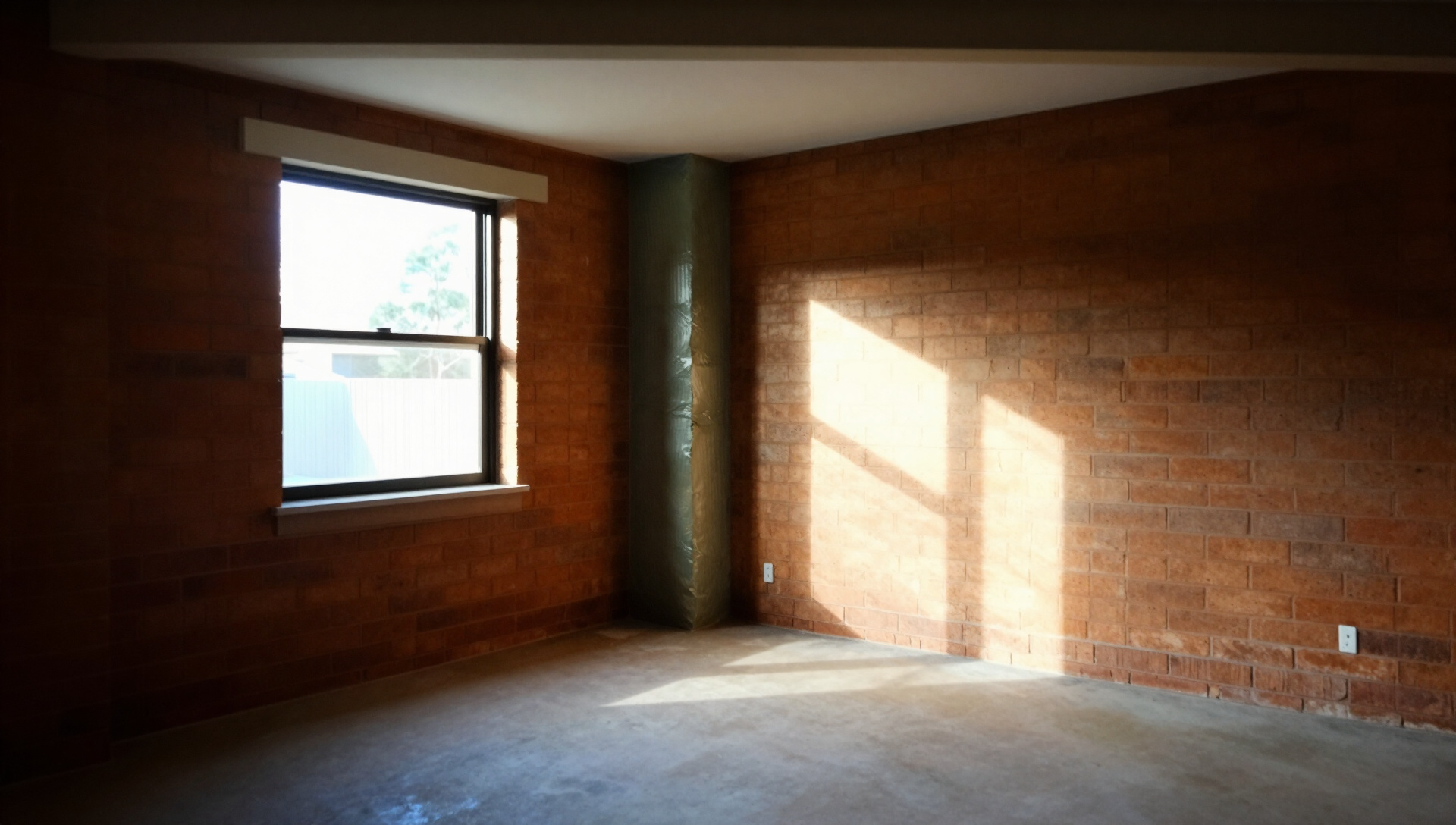
Flemington’s mix of older brick veneer homes and cold winters means many properties lose heat through uninsulated wall cavities. Cavity wall insulation addresses this by adding a thermal barrier that slows heat transfer, making your home warmer in winter and cooler in summer.
Uninsulated brick veneer walls account for up to 25% of a home’s heat loss in winter. Cavity insulation reduces this loss, so your heater works less to maintain a comfortable temperature, cutting energy bills.
Insulating the cavity helps regulate the temperature difference between the inner and outer wall, which can reduce the risk of condensation forming inside the wall structure.
In summer, cavity insulation reflects radiant heat from the outer brick leaf, keeping indoor spaces cooler. In winter, it retains heat generated inside the home.
The installation process accesses the cavity from outside, so there is no need to strip internal plaster or gyprock. This keeps costs and disruption to a minimum.
Many Flemington homes built from the 1950s to 1990s use brick veneer construction with a hollow cavity. These are ideal candidates for cavity wall insulation to bring them up to modern thermal standards.
A typical Flemington home can be completed in a day. The external holes are small and patched to blend in with the existing brickwork, leaving your home looking unchanged.
The process begins with an inspection to confirm your walls are suitable for cavity insulation. Not all brick walls can be filled, so this step ensures the work will be effective and safe.
A technician checks the wall type, cavity width and condition. Brick veneer with a clear cavity is usually suitable, while double brick with a fully filled cavity or walls with moisture issues may not be. If old insulation is present and may contain asbestos, work stops until a qualified assessor inspects it.
Small holes are drilled into the mortar joints at regular intervals around the wall. These provide entry points for the insulation material without damaging the bricks.
Loose-fill insulation or injected foam is placed into the cavity through the holes. The material is distributed evenly to fill the gap between the inner and outer leaf without compressing or leaving voids.
Once the cavity is filled, the access holes are sealed with a colour-matched mortar. The finished wall looks the same as before, with no visible signs of the work.
Flemington’s proximity to the CBD and its mix of period and postwar homes means many properties have brick veneer walls that were never insulated. Cavity wall insulation is a cost-effective upgrade for these homes, improving thermal performance without major renovations. Nearby suburbs like Ascot Vale and Kensington share similar housing stock, making cavity insulation a common solution across the inner west.
Improve thermal comfort in Flemington brick veneer homes with cavity wall insulation installed by Expert Insulation Melbourne.
Homeowners in Flemington often ask how cavity wall insulation works, whether their home is suitable and what to expect during installation. Here are the answers to the most common questions.
Cavity wall insulation in Flemington is a targeted solution for brick veneer homes that lose heat through uninsulated wall cavities. Unlike ceiling or underfloor insulation, cavity insulation works within the existing wall structure, adding thermal resistance without altering the home’s appearance. For Flemington’s older brick veneer properties, this is often the most practical way to improve energy efficiency.
The process is non-invasive, with technicians accessing the cavity from outside the home. This avoids the need to remove internal wall linings, keeping costs and disruption low. The insulation material, typically a loose-fill or injected foam, fills the gap between the inner and outer brick leaf, reducing heat transfer and improving the wall’s R-value. In Flemington’s climate, this means warmer winters and cooler summers with lower energy bills.
Not all walls are suitable for cavity insulation. A pre-installation inspection checks for cavity width, moisture issues and existing materials. If the cavity is already filled or the wall has structural concerns, alternative insulation methods may be recommended. For Flemington homes with suitable brick veneer walls, cavity insulation is a straightforward upgrade that delivers long-term comfort and savings.
If your Flemington home has brick veneer walls, cavity insulation can improve thermal comfort and reduce energy costs. Contact Expert Insulation Melbourne to arrange an inspection and quote.